
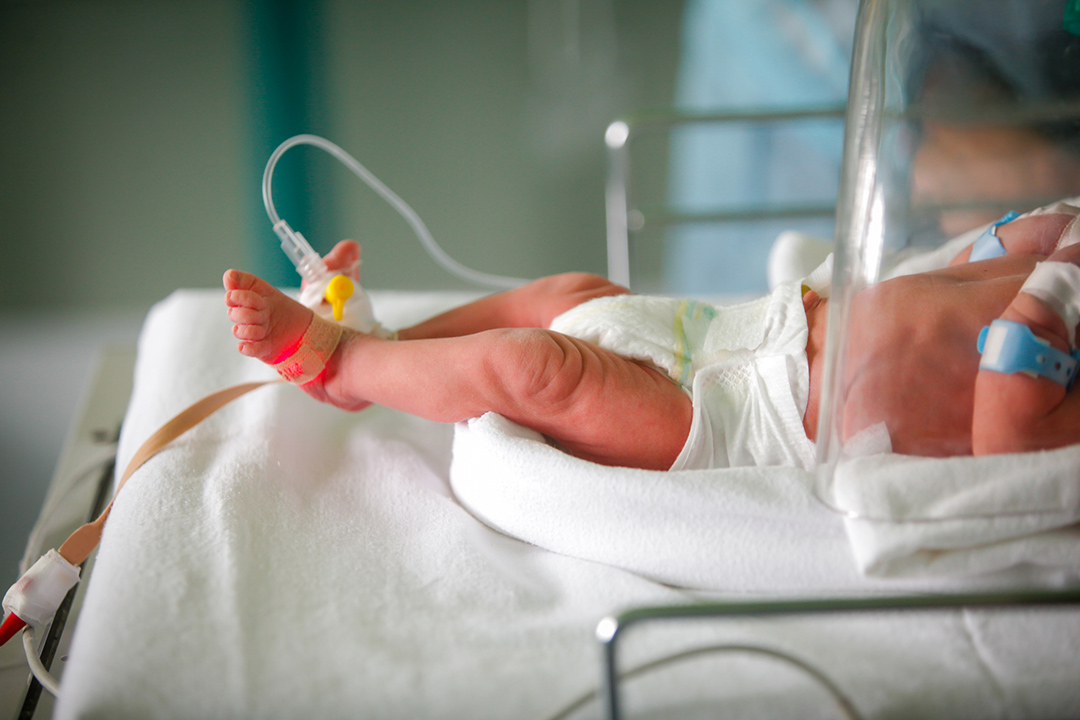
The early birth trend: what’s driving Canada’s increase in preterm births?
The rate of preterm births in Canada has steadily increased over the last 30 years, with roughly 30,000 births per year – or 8.3 per cent – being born before 37 weeks of gestation.
By Brook McKenna
But while this statistic clearly reflects a nationwide problem, there’s no consensus on what’s behind these elevated numbers.
A key issue is the lack of definite research, partially due to ethical challenges associated with studying pregnant women in a research setting that could actively affect the health of mothers and their babies.
Women’s health also attracts fewer research dollars than other specialties, such as neurology and cardiology. As a result, many critical questions about preterm births remain unanswered for health professionals who are trying to inform and reassure worried mothers.
Dr. Aysah Amath (MD), an obstetrician-gynecologist in Calgary, Alta., offers a unique perspective on the potential reasons behind the increased incidence of preterm labour in Canada. As one of the specialists at the province’s Women’s Health Clinic (South Health Campus), she has first-hand experience treating mothers and their preterm babies.
While many women are concerned about having a family history of preterm births, Amath says the more critical determinant is if the mother herself has already experienced preterm labour during a previous pregnancy. To avoid potential issues, she emphasizes the need for regular check-ups and early referral to prenatal care so health care team members can monitor the mother’s pregnancy, make specific recommendations to help decrease the risk of preterm birth, and ensure the baby is brought to term.
Amath points to other reasons that can trigger preterm labour, such as anatomical differences in pregnant mothers. One example is a Müllerian anomaly — women who were born with a differently shaped uterus and/or cervix.
“This anomaly could mean that the cervix isn’t strong enough to support the pregnancy and could trigger early labour," said Amath, adding that a shortened cervix would have a similar effect.
A fibroid uterus – when tumour-like structures form on the uterus – also affects the uterus’s ability to expand during labour and causes early uterine contractions.
Ruptured fetal membranes could be another factor contributing to a higher number of preterm births. Amath suggests that ruptured membranes – such as the amniotic membrane – may be due to an ascending bacterial infection. Labour serves as a protective measure for both mother and the baby, preventing further infections.
In medical school, Amath recalls she and her classmates learning that the extremes of age were correlated to preterm births — but for different reasons. Most teen pregnancies tend to involve people who are of a lower socioeconomic status and dealing with various challenges including increased recreational drug use, increased smoking, poorer nutrition and increased stress. All these factors can contribute to an increased risk of premature rupture of membranes.
A cross-Canada shift in the average age of mothers has also played a role in increasing preterm birth numbers. Throughout the 20th century, the average age range of a first-time mom was early twenties. But in the past 50 years, cultural changes such as women entering the workforce and starting careers, shifts in gender roles and higher living costs have pushed the age of first-time mothers into the early thirties.
In 2024, about two-thirds of the 365,737 live births in Canada were to women between the ages of 30 and 49, indicating a distinct shift in the reproductive age group.
Increased age with pregnancy is associated with higher risks of miscarriages and developmental issues with the fetus, as well as preeclampsia and gestational diabetes – two conditions that can lead to preterm birth. As well, older women are at risk for caesarean sections, which can increase complications in future pregnancies and further influence the rate of preterm births.
Another influence on preterm birth rates in Canada and around the world is socioeconomic status. Despite health care being free in Canada, it can be difficult for people to access health services in rural, remote or Indigenous communities.
“Those who have financial barriers or a lack of education have different priorities compared to those with a higher socioeconomic status, which affects their abilities to seek care in a timely fashion,” said Amath.

Without proper prenatal care and regular monitoring, there can be little to no preventive measures taken to lower the risk for preterm births.
More funding and research will allow health specialists, such as Amath, to give more evidence-based reasons. It will also help expectant mothers feel safe throughout their pregnancy and be more informed about what they can do to reduce the risk of preterm birth. Globally, new research findings can help to drive policy changes that introduce more preventive health measures in support of women – especially for those in developing and rural areas.
Despite the increase of preterm births happening in Canada and around the world, Amath notes that having access to proper health care is essential for the outcome of the baby.
“We are very lucky to be in a country where we have the technology and capacity to support preterm babies,” said Amath. “Generally, they have extremely good outcomes that would not have been possible even 20 years ago, which creates comfort in expecting mothers in that the overall risk is low if it does happen to you.”
Brook McKenna of Calgary, Alta., is a USask Master of Science (MSc) student based at the Western College of Veterinary Medicine (WCVM) under the supervision of Dr. Daniel MacPhee.
Together we will support and inspire students to succeed. We invite you to join by supporting current and future students' needs at USask.