
‘It is part of their fabric’: USask veterinarian visits horse-centric Mongolia
The first thing Dr. James Carmalt (VetMB, PhD) heard were the hoofbeats — thousands of them. Then a cloud of dust rose up.
By Caelan Beard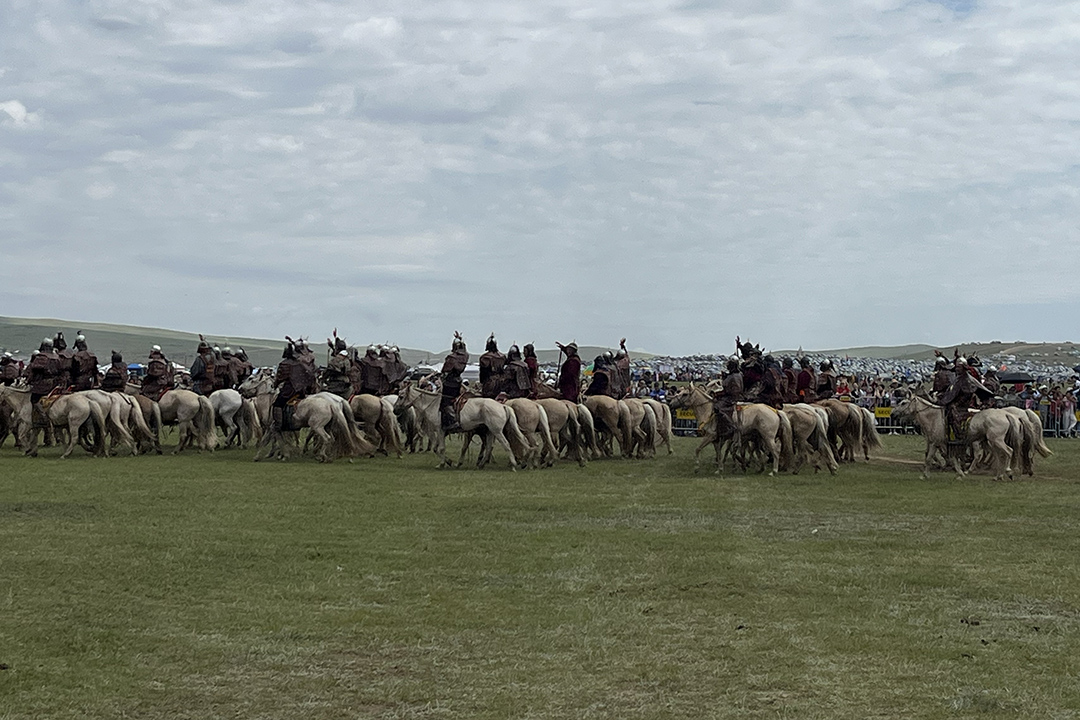
The veterinarian was at Mongolia’s National Naadam Horse Festival where a parade of 15,000 riders — led by the country’s president — was breaking the world record for the most mounted riders gathered in a single place.
It was a memorable moment from Carmalt’s visit in July 2026 to the rugged country in east Asia. The Western College of Veterinary Medicine (WCVM) professor’s travelling partner was his wife, Dr. Natalie Reisbig (MedVet, PhD), a former WCVM equine clinician who now owns Equi-CaRe (a mobile equine specialty practice in Germany).
Both veterinarians travelled to Mongolia to share their expertise in equine health with veterinary colleagues at the Mongolian University of Life Sciences, a partner of the University of Saskatchewan (USask).
The visit started with the Naadaam Horse Festival — an annual pinnacle of horse racing and sport that’s held in Ulaanbaatar, Mongolia’s capital city. Carmalt and Reisbig spent most of the three-day festival working at a veterinary practice nearby. They lectured on lameness and colic, and they reviewed clinical cases.
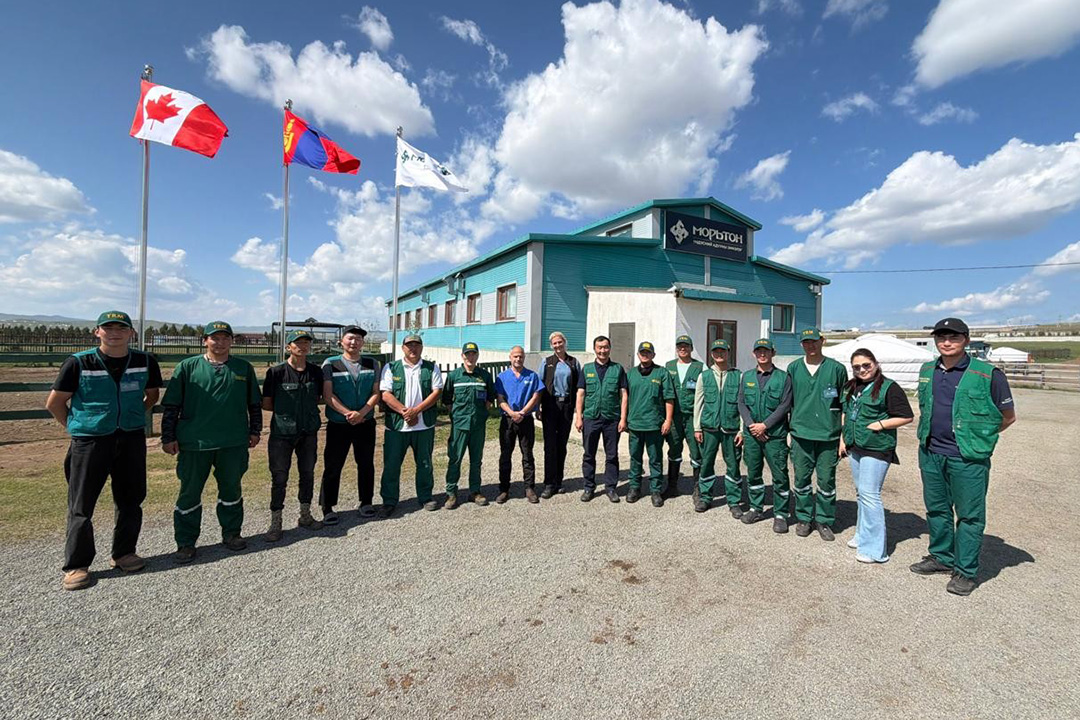
After the festival, they went to the Moriton National Equine Clinic, a high-end veterinary practice operated by Dr. Naranbaatar Adiya, a Mongolian veterinarian who studied in Ireland. They helped with some clinical cases, performed arthroscopic surgery and delivered lectures on fluid therapy and lameness diagnosis for the clinic’s junior veterinarians.
It was a fascinating trip — and one that delivered plenty of insights on horse management, equine health and the place of horses in culture.
“There’s something like five million horses in Mongolia, and it is part of their fabric,” Carmalt said. “The [national] airline’s livery features a racing horse and the National Mongolian Railway also has a horse logo on the side of their trains.”
A country where horses roam free
The way that horses are kept in Mongolia is probably how you would imagine them being domesticated thousands of years ago, Carmalt said.
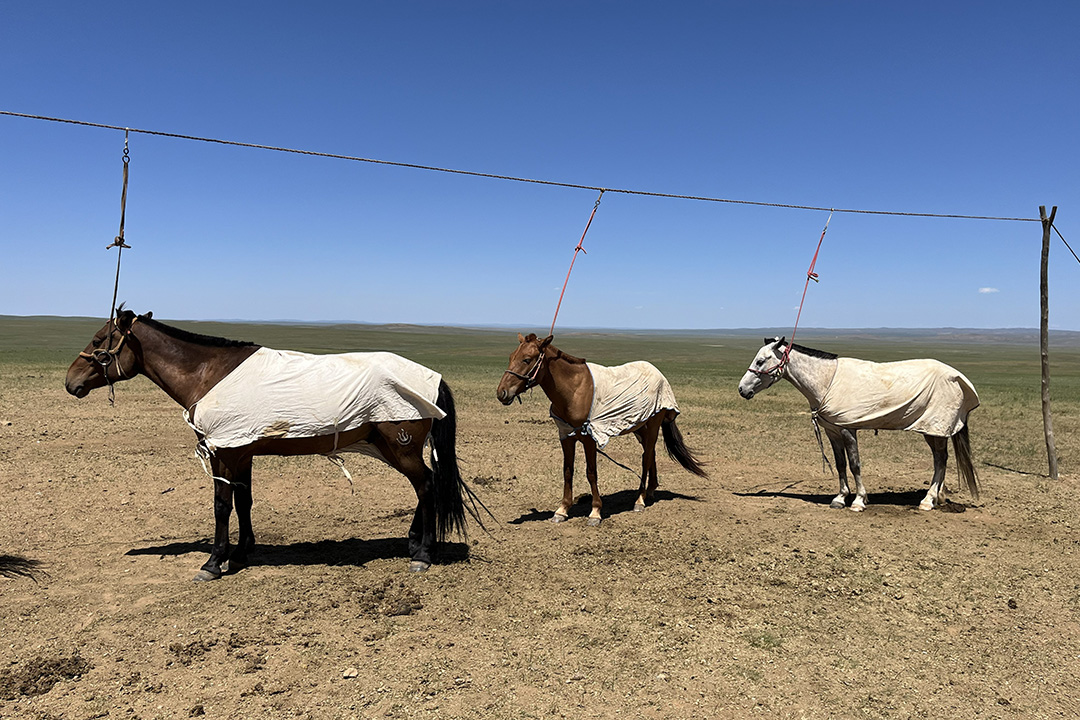
“They were domesticated in the steppes of Uzbekistan, Mongolia and Russia, and the landscape in the region that we were in looks like rolling hills of Saskatchewan ringed by mountains. But there’s not a single fence in sight.”
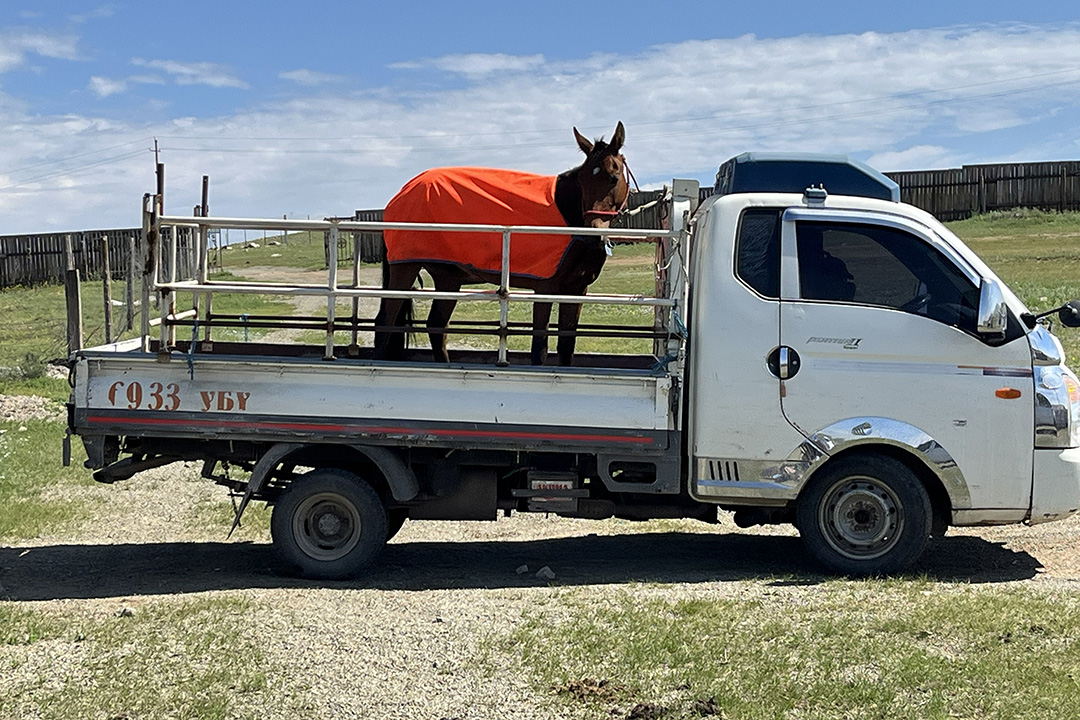
Without fences, the horses roam freely. They’re herded up using motorcycles and directed to wells to drink three times a day.
Interestingly, Carmalt didn’t notice a big difference in the types of equine health problems he saw coming into the Mongolian veterinary clinics: “They’re horses. They get horse problems.”
During their time in the clinics, they saw cases of asthma, laminitis, exercise-induced pulmonary hemorrhage, distal limb (lower leg) fractures, colic and eye problems. They also saw injuries common in thoroughbred racehorses such as osteochondral fragmentation (bone chips) in fetlock joints.
One thing they didn’t see was wounds in equine patients. “I think we might have seen one wound in the two weeks we were there. It’s probably because there are no fences,” Carmalt said. “There’s nothing for them to catch themselves on.”
The country doesn’t have many veterinary resources and technologies — for example, Mongolia doesn’t have a computed tomography (CT) machine for medical imaging diagnostics.
“We were told that there are only approximately 40 equine veterinarians for the five million horses in Mongolia,” said Carmalt. Despite the country’s modest veterinary team, he was impressed by what veterinarians could offer in equine care with very little resources.
Rather than high-tech machines and veterinary supplies, the most important thing that the visiting clinicians could bring with them was their knowledge of equine anatomy and physiology.
“The things that we teach our students about the basic physical exam, before you get any other diagnostic test — including things like blood work or urinalysis — holds up no matter where you are in the world,” said Carmalt.
“A stethoscope, thermometer and your senses of sight, smell and touch are the most important tools we have.”
Travelling on
Carmalt has even more travel lined up in the next few months — including spending some time with family in the United Kingdom. Next, he is doing a six-week locum at New Zealand’s Massey University where he’ll work alongside Dr. Luca Panizzi (DrMedVet), a previous WCVM resident who is now an equine surgeon and senior lecturer at the country’s veterinary college.
But for Carmalt, the biggest change is an upcoming move to Germany where he will practise at EquiCaRe (www.equi-care.vet) with Reisbig. While he’s leaving the WCVM after more than two decades, Carmalt will continue to be connected to the college as a professor emeritus and research collaborator on current and future projects.
His travels so far have taught him valuable lessons on respecting different cultural norms around horses. For example, horses in Mongolia are primarily used for racing, meat and milk while an increasing number of Canadian horses are considered companion animals.
“We keep them in fenced paddocks and all of the rest of it, and they are not designed to be in fenced areas,” said Carmalt. “But that’s just the way we, as a society, have adapted to using them.”
On the other hand, he says Mongolian horses run a bit wild.
“They hobble the horses and twitch them for you to do stuff near the front end,” he said. “You’re taking your life into your own hands to touch these little Mongolian ponies behind the withers without significant manual restraint.”
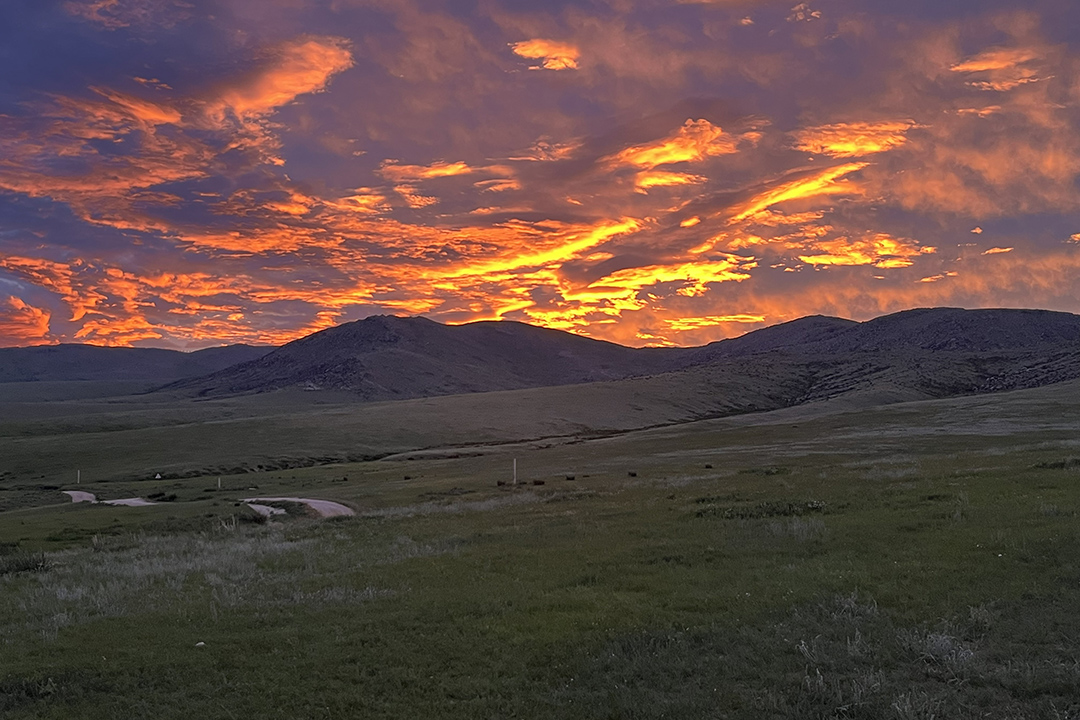
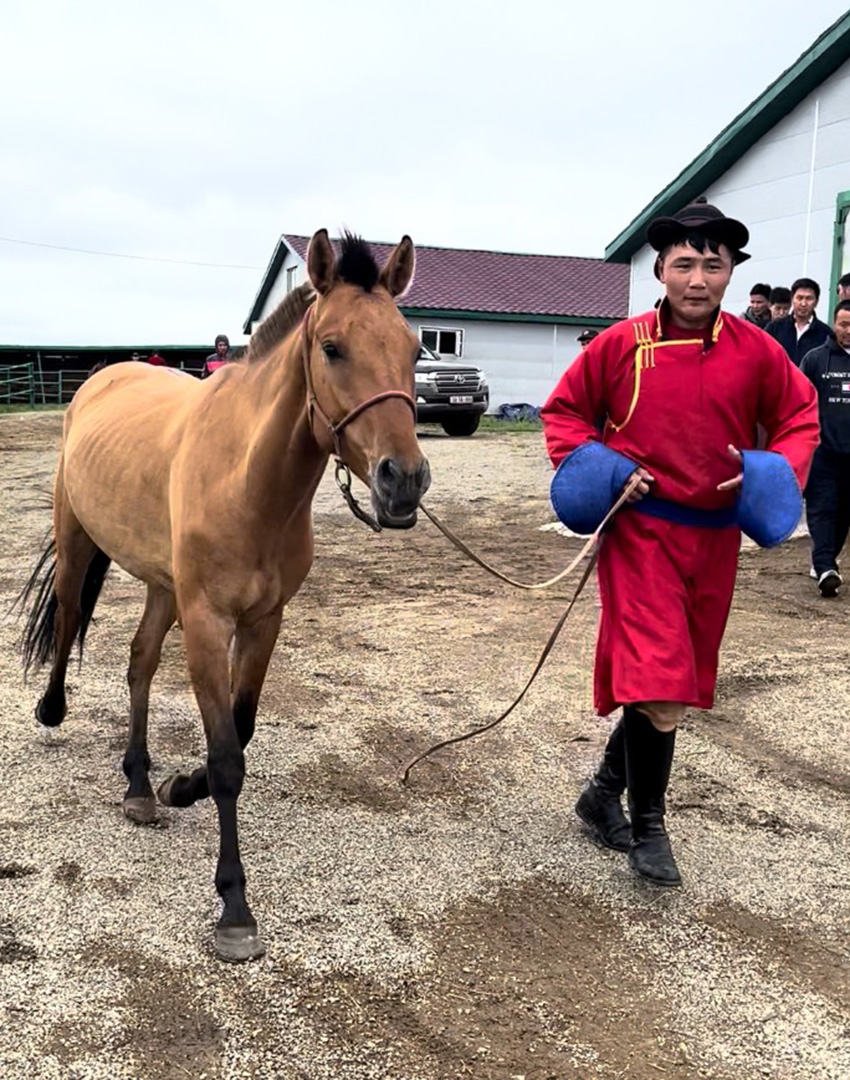
If a horse in Mongolia has done incredibly well in racing, a blue sash is put around its neck. Then the animal is turned loose at the base of one of the mountains, and nobody is allowed to touch the animal again. The animal is essentially presented back to the mountain as an offering and to live out its remaining days in the wild.
“The horse will ultimately die of old age, disease or predation on the side of that mountain,” said Carmalt. While western norms might see this as inhumane, “we’re in somebody else’s country and in somebody else’s culture,” he cautioned.
“It’s important to try and understand the culture behind the mechanism of treatment or non-treatment and not try to stamp our westernized thought processes and ideals on somebody else without having an open mind.”
Across the world, multiple factors influence horse care and management. But whether they’re practising in Western Canada, Mongolia, Vietnam, Chile or Europe, Carmalt says the veterinarian’s goal is to always provide animal owners with as many options as possible.
“Our job, the way I see it, is to try and give people as many ethical options as possible while respecting financial, cultural and religious limitations,” he said. “After that, it’s up to the owner or the animal care attendant to make the decision that best fits their needs.”
Caelan Beard is a freelance journalist, communications specialist and author. She lives in southwestern Ontario.
Together, we will undertake the research the world needs. We invite you to join by supporting critical research at USask.